Parity and the medicalization of addiction treatment (what is treatment centers like for addiction). J Psychoactive Drugs. 2010; 42( 2 ):115 -120. Smith DE, Lee DR, Davidson LD. Health care equality and parity for treatment of addicting illness. J Psychoactive Drugs. 2010; 42( 2 ):121 -126. Smith DE. The evolution of addiction medicine and its San Francisco roots. CSAM News. 2009; Winter season:4, 6. http://www. csam-asam. org/pdf/misc/ CSAM_News_Winter_2009.
Accessed November 11, 2011. American Society of Addiction Medication. ABAM recognizes 10 brand-new ADM residencies. ASAM News. 2011; 26( 2 ):6. http://www. asam.org/pdf/Publications/2011/26-2_ASAM.News_Summer. 2011.pdf. Accessed November 11, 2011. Wesson DR, Smith DE. Buprenorphine in the treatment of opiate reliance. J Psychedelic Drugs. 2010; 42( 2 ):161 -175. Quenqua D. Medicine adds slots for study of addictions. New York Times.
American Society of Addiction Medicine. New ASAM program coaches primary care physicians. ASAM News. 2011; 26( 2 ):1, 6. http://www. asam.org/pdf/Publications/2011/26-2_ASAM.News_Summer. 2011.pdf. Accessed November 11, 2011. American Society of Addiction Medication. 2011. Public policy declaration: definition of dependency. http://www. asam.org/DefinitionofAddiction-LongVersion. html. Accessed November 11, 2011. Brauser D. Addiction a brain illness, ASAM says.
August 31, 2011. http://www. medscape.com/viewarticle/748867. Accessed November 11, 2011. Virtual Coach. 2011; 13( 12 ):900 -905. 10. 1001/virtualmentor. 2011.13. 12.mhst1-1112. The perspectives expressed in this post are those of the author( s) and do not always reflect the views and policies of the AMA. is the creator of the Haight Ashbury Free Medical Clinic and a pioneering advocate of the disease model of addiction.
Dependency, scientifically referred to as a substance usage disorder, is a complex disease of the brain and body that includes compulsive use of several compounds despite major health and social repercussions. Dependency interferes with regions of the brain that are accountable for reward, inspiration, discovering, judgment and memory. Dependency is defined as an illness by a lot of medical associations, consisting of the American Medical Association and the American Society of Addiction Medication.
Hereditary threat factors account for about half of the probability that an individual will develop dependency. Dependency involves modifications in the functioning of the brain and body due to consistent usage of nicotine, alcohol and/or other compounds. The repercussions of without treatment dependency frequently include other physical and mental health disorders that require medical attention.
Excitement About Statistics How Many https://transformationstreatment1.blogspot.com/2020/07/common-co-occurring-disorders.html Gert Treatment For Addiction
People feel satisfaction when fundamental needs such as hunger, thirst and sex are pleased. For the most part, these feelings of satisfaction are triggered by the release of particular chemicals in the brain, which strengthen these life-sustaining functions by incentivizing the specific to repeat the behaviors that produce those rewarding sensations (eating, drinking and procreating).
With time, continued release of these chemicals causes changes in the brain systems involved in benefit, inspiration and memory. The brain tries to return to a well balanced state by reducing its reaction to those rewarding chemicals or releasing tension hormonal agents (how to start a church based addiction treatment center). As a result, a person may require to use increasing amounts of the substance simply to feel closer to regular.
The individual may likewise choose the compound to other healthy enjoyments and may dislike typical life activities. In the most chronic type of the disease, a severe compound use disorder can trigger a person to stop caring about their own or others' well-being or survival. These changes in the brain can stay for a very long time, even after the person stops utilizing compounds. what disorders are observed in more than 40% of people in addiction treatment centers..
The initial and early choices to utilize compounds are based in big part on an individual's free or conscious choice, frequently influenced by their culture and environment. Certain aspects, such as a family history of dependency, injury or improperly treated mental health disorders such as anxiety and anxiety, may make some people more prone to compound use disorders than others.
Perhaps the most specifying sign of dependency is a loss of control over substance usage. Individuals do not pick how their brain and body react to substances, which is why people with addiction can not manage their usage while others can. Individuals with addiction can still stop utilizing substances it's simply much more difficult than it is for somebody who has actually not end up being addicted.
With the aid and support of family, buddies and peers to remain in treatment, they increase their opportunities of healing and survival. A persistent disease is a lasting condition that can be managed but not treated. Many people who take part in compound usage do not establish dependency. And many individuals who do so to a troublesome level, such as youths throughout their high school or college years, tend to decrease their use once they handle more adult responsibilities.
About How Much Did The Addiction Treatment Industry Spend In Google Adwords In 2016
For them, addiction is a progressive, relapsing disease that needs extensive treatments and continuing aftercare, monitoring and family or peer support to manage their recovery. The good news is that even the most extreme, persistent form of the disorder can be manageable, typically with long-term treatment and continued tracking and assistance for recovery.
While the first usage (or early stage usage) might be by option, once the brain has been altered by dependency, a lot of experts believe that the individual loses control of their habits. Option does not determine whether something is a disease. Heart disease, diabetes and some forms of cancer include personal options like diet, workout, sun direct exposure, etc.
Others argue that addiction is not a disease due to the fact that some people with dependency get much better without treatment. Individuals with a moderate substance usage disorder may recover with little or no treatment. People with the most serious type of dependency typically need intensive treatment followed by long-lasting management of the disease.
Others achieve recovery by going to self-help (12-step or AA) conferences without receiving much, if any, professional treatment. In all cases, expert treatment and a range of recovery supports need to be readily available and available to anybody who develops a substance use condition. Dependency is a treatable disease.
The statistician George box would state, "All designs are incorrect but some work." Its an useful phrase to keep in mind when thinking of compound usage conditions and addiction. There is not one right method to consider this issue, as every method medical, law enforcement, spiritual contains both useful insights and significant flaws.
As medical professionals, we treat many conditions that are characterized as persistent, relapsing-remitting illness. There are lots of diseases fit this mold, from Crohn's disease to several sclerosis. Considering opiate use disorder, or any drug abuse condition through this lens supplies some useful insights: Chronic simply indicates it does not go away.
The Buzz on What Ar Esome Treatment For Exercise Addiction
It does not always indicate it will be a problem. I However, even if something is not irritating at this minute does not suggest it doesn't exist. Other persistent diseases include things like hypertension, diabetes, and heart illness. Individuals with persistent illnesses do not always feel bad all the time; typically, the health problem hardly gets in the method of life.
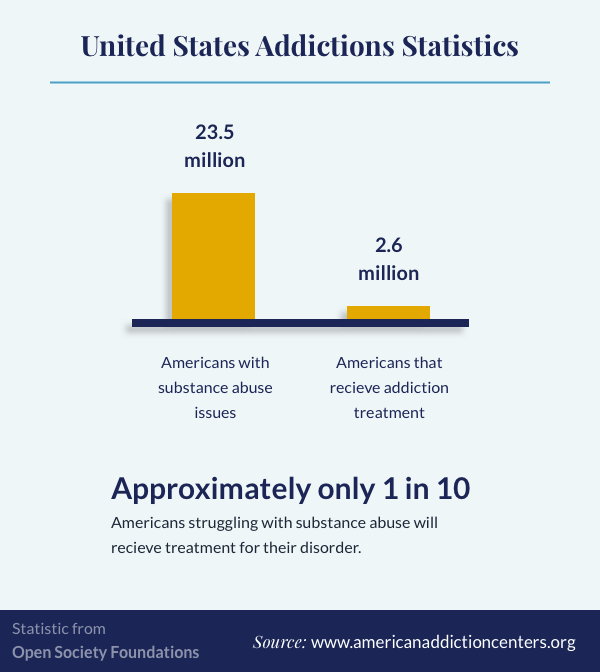
The goal of treatment then ends up being to cause remission, and keep the disease in remission for as long as possible. Viewed through this lens, the objectives of treatment become much simpler to comprehend: to cause remission, to preserve remission, and to guarantee that any regressions are as short as possible, as infrequent as possible, and as little harmful as possible.